

Middleware integration: the backbone of connected systems
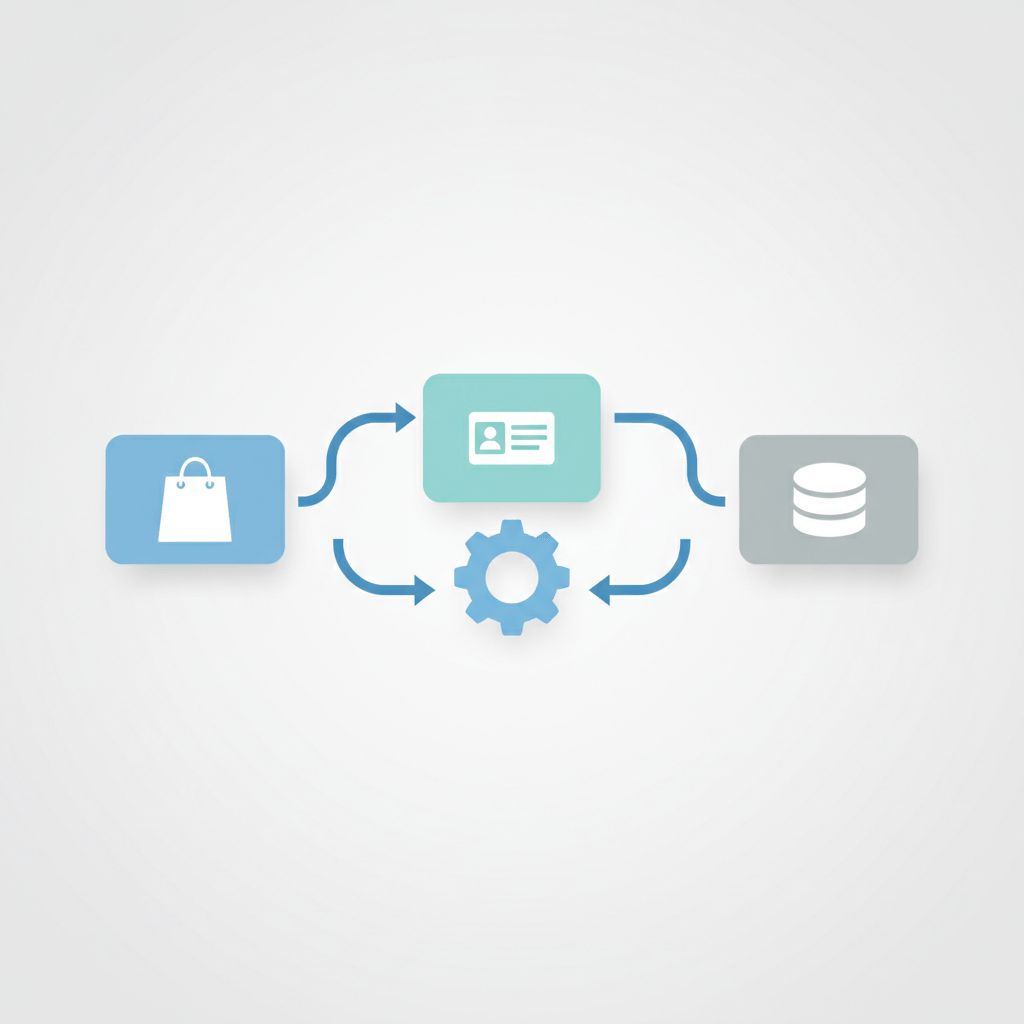
Every modern company wrestles with disconnected tools, duplicate data, and slow handoffs. Middleware integration fixes those issues by connecting apps, translating data, and routing events between systems. For example, middleware integration lets a new order in your ecommerce platform automatically update your CRM and trigger fulfillment workflows.
Because systems use different field names and formats, middleware acts as a translation layer. It validates requests, reformats data, and enforces authentication with APIs and webhooks. As a result, teams avoid manual entry and reduce errors. Meanwhile, businesses gain real time visibility and faster decision making.
Today, solutions range from iPaaS connectors to API gateways and event driven middleware. However, the right approach depends on scale, security, and the apps in your tech stack. This guide walks through seven practical Zapier middleware hacks that cut manual work, speed up operations, and let your engineers focus on strategic work rather than repetitive integration tasks.
Key benefits of middleware integration
Middleware integration delivers clear operational and strategic gains for modern businesses. Because it connects disparate apps, middleware reduces friction across workflows. As a result, teams move faster and make fewer mistakes.
- Improved connectivity and fewer silos
- Middleware links systems that otherwise cannot speak directly. For example, middleware can sync NetSuite records with Salesforce contact fields. Therefore sales and finance share a single source of truth. For a reference on CRM alternatives see Best Free CRM Software.
- Streamlined operations and less manual work
- Automations replace repetitive tasks, so staff focus on high value work. For instance, Zapier can create a HubSpot deal when NetSuite logs a new order. Learn more about Zapier.
- Better data flow and higher data quality
- Middleware validates inputs, maps fields, and reformats types. Consequently downstream systems get clean data. For example, a middleware rule can convert phone formats before updating Salesforce, reducing bounced emails. See Salesforce Developer Docs for API patterns.
- Increased scalability and reliability
- Middleware decouples services so you can add apps without ripping code. Meanwhile event driven and message oriented patterns handle bursts of traffic. As a result, your integrations scale with usage instead of collapsing under load.
- Faster time to insight and automation
- Because data moves in near real time, teams spot trends earlier. For example, automated lead routing lets sales contact prospects within minutes. This shortens sales cycles and improves conversion.
These benefits combine technical resilience with measurable business outcomes. Therefore middleware integration is essential for companies that want to automate, scale, and compete.
Middleware integration helps you quickly compare platforms by core capabilities and trade offs.
| Solution | Supported platforms | Ease of use | Scalability | Cost | Typical use cases |
|---|---|---|---|---|---|
| Zapier | Cloud SaaS apps, APIs, webhooks. Connects 8,000+ apps | Very high. No code builder and prebuilt connectors | Good for small and mid market. Can scale with architecture work | Tiered subscription with free plan | SMB automations, lead routing, cross app notifications |
| Workato | Cloud connectors, hybrid deployments, enterprise apps | Moderate. Low code with professional tooling | Enterprise grade. Built for complex orchestration | Premium enterprise pricing | Complex business logic, secure data syncs, approvals |
| Boomi | Cloud and on premise systems, ETL, APIs | Moderate. Visual tools and mapping | Enterprise grade. Strong hybrid support | Subscription, often negotiated enterprise contract | Large scale system integration, master data management |
| Apache Kafka | Self hosted or managed clusters for event streaming | Low for non developers. Requires engineering effort | Extremely high. Designed for massive event throughput | Open source; hosting and operations cost | Real time streaming, analytics, event driven architectures |
| AWS EventBridge | AWS native events, SaaS integrations, serverless targets | Moderate for AWS users. Integrates with services easily | Serverless scale. Handles large event volumes | Pay as you go for events | Cross account event routing, serverless event buses |
Choose based on team skill level, security needs, and budget. For example, pick Zapier for fast no code wins. However choose Kafka or EventBridge for high volume, low latency streams. Meanwhile Workato and Boomi suit enterprises that need governance and hybrid deployments.
Challenges and best practices for middleware integration
Middleware integration projects often look simple on paper. However real world systems expose hidden complexity quickly. Teams face issues such as data mismatches, authentication failures, and scaling limits. As a result, integrations can break production flows if teams do not plan ahead.
Common challenges
- Data mapping and schema drift
- Different apps represent the same data in different ways. For example, one system uses YYYY-MM-DD while another uses timestamps. Consequently records can duplicate or fail to match.
- Rate limits and reliability
- Public APIs often enforce call limits. Therefore spikes cause dropped events and delayed processes.
- Authentication and security
- OAuth tokens expire and keys rotate. Meanwhile weak secrets or missing scopes create failures and security gaps.
- Change management and governance
- App updates can silently break mappings. As a result, teams scramble to patch workflows.
- Observability and troubleshooting
- Without good logs, tracing a failed message is slow. Meanwhile long debug cycles delay fixes.
Best practices to overcome these challenges
- Plan and document end to end flows
- Start with a clear diagram of events and data schemas. Also define SLAs and owner responsibilities.
- Choose the right middleware for the task
- Use no code tools like Zapier for fast proofs of concept. For high volume events, consider Kafka or AWS EventBridge for event driven designs Kafka or AWS EventBridge.
- Design for failures and retries
- Implement idempotency, exponential backoff, and dead letter queues. Therefore you avoid duplicate side effects.
- Automate testing and staging
- Run integration tests that simulate API rate limits and schema changes. As a result, you catch regressions before release.
- Enforce security and access controls
- Rotate credentials, require least privilege, and validate signed webhooks.
- Add observability and alerting
- Emit structured logs and metrics. Meanwhile set alerts for error rate spikes and latency increases.
Follow these practices to reduce risk and speed deployment. Consequently your middleware integration becomes reliable and maintainable.
Conclusion: middleware integration and next steps
Middleware integration is no longer optional for modern businesses. It connects systems, reduces manual work, and unlocks faster insights. Therefore teams can move from firefighting to strategic growth.
AllosAI is a unified AI automation platform that helps teams optimize integration and workflows. For example, AllosAI can orchestrate data flows, run AI agents, and automate cross system tasks. Visit the platform to explore templates and connectors at AllosAI Platform and AllosAI App.
If you want practical guidance, check the AllosAI blog for playbooks and example automations. Additionally follow updates and product tips on X.
Start small, measure impact, and iterate. As a result, your integrations will become more resilient and valuable. Take action today and let middleware integration drive efficiency, scale, and better customer outcomes.
Frequently Asked Questions (FAQs) about middleware integration
What exactly is middleware integration?
Middleware integration connects different software systems so they exchange data reliably. It validates requests, maps fields, and routes events. Therefore middleware removes manual handoffs and reduces duplicate records. As a result teams gain faster workflows and clearer data.
When should my business add middleware integration?
Add middleware when apps cannot share data natively or when manual work wastes time. For example, integrate when CRM, ERP, and support tools show conflicting records. Also adopt middleware to scale automation and to improve data quality across systems.
Is middleware the same as building custom APIs?
Not exactly. Custom APIs expose specific endpoints for one use case. However middleware provides translation, routing, and orchestration across many apps. Consequently middleware often uses APIs and webhooks under the hood, but it adds mapping, retries, and error handling.
How do I choose the right middleware integration tool?
Evaluate tools by supported platforms, ease of use, costs, and security. For instance choose no code platforms for fast wins. Meanwhile pick event streaming or ESB for high volume or complex governance. Also prototype small, measure impact, and iterate.
What common mistakes should I avoid with middleware integration?
Avoid skipping planning, testing, and observability. First document data schemas and owners. Then run integration tests and simulate rate limits. Finally add structured logs, retries, and alerts. Doing so prevents downtime and speeds troubleshooting.
If you still have questions, refer to vendor docs or consult your engineering team for a tailored plan.