

AI in Education and Recruitment
Imagine classrooms and recruitment halls humming with intelligent assistants that guide, not replace, human judgment. The surge of AI adoption in education and recruitment reshapes how we teach and hire. It accelerates onboarding and personalises learning at unprecedented speed.
Schools use personalised learning engines to adapt lessons in real time. Recruiters deploy avatars and LLM tools that answer candidate questions instantly. Yet this shift is not just technical; it rewrites trust, governance, and skills development.
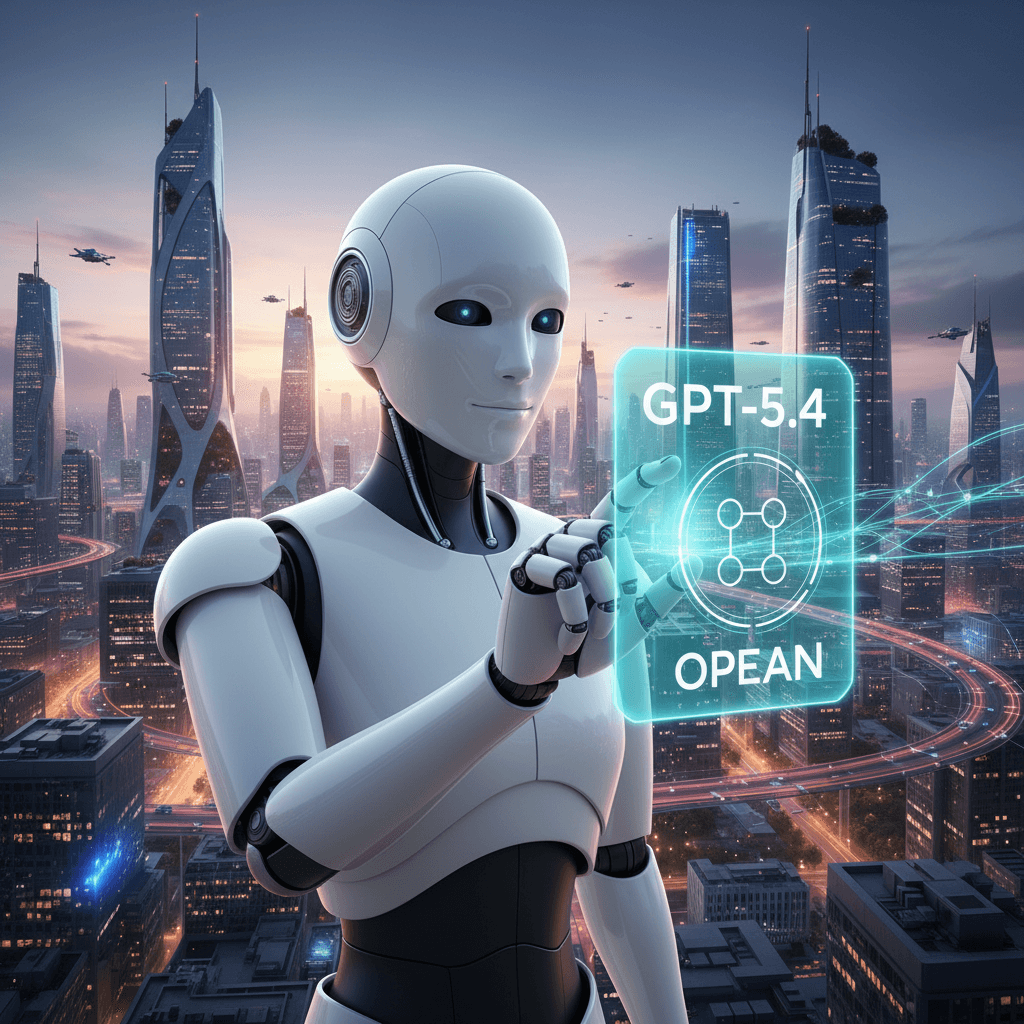
Across campuses and public-sector talent pipelines, educators and hiring managers pilot technologies like retrieval-augmented generation and real-time avatars. The Royal Navy trials Atlas as a friendly point of contact. Universities build AI literacy programmes to prepare future teachers. Because ethics and human oversight matter, organisations pair algorithms with clear governance. As a result, AI becomes augmentation rather than replacement, boosting efficiency and candidate experience.
This article explores practical steps, case studies, and governance models. It shows how leaders can apply AI responsibly in classrooms and recruitment workflows.
How AI adoption in education and recruitment is reshaping classrooms and hiring
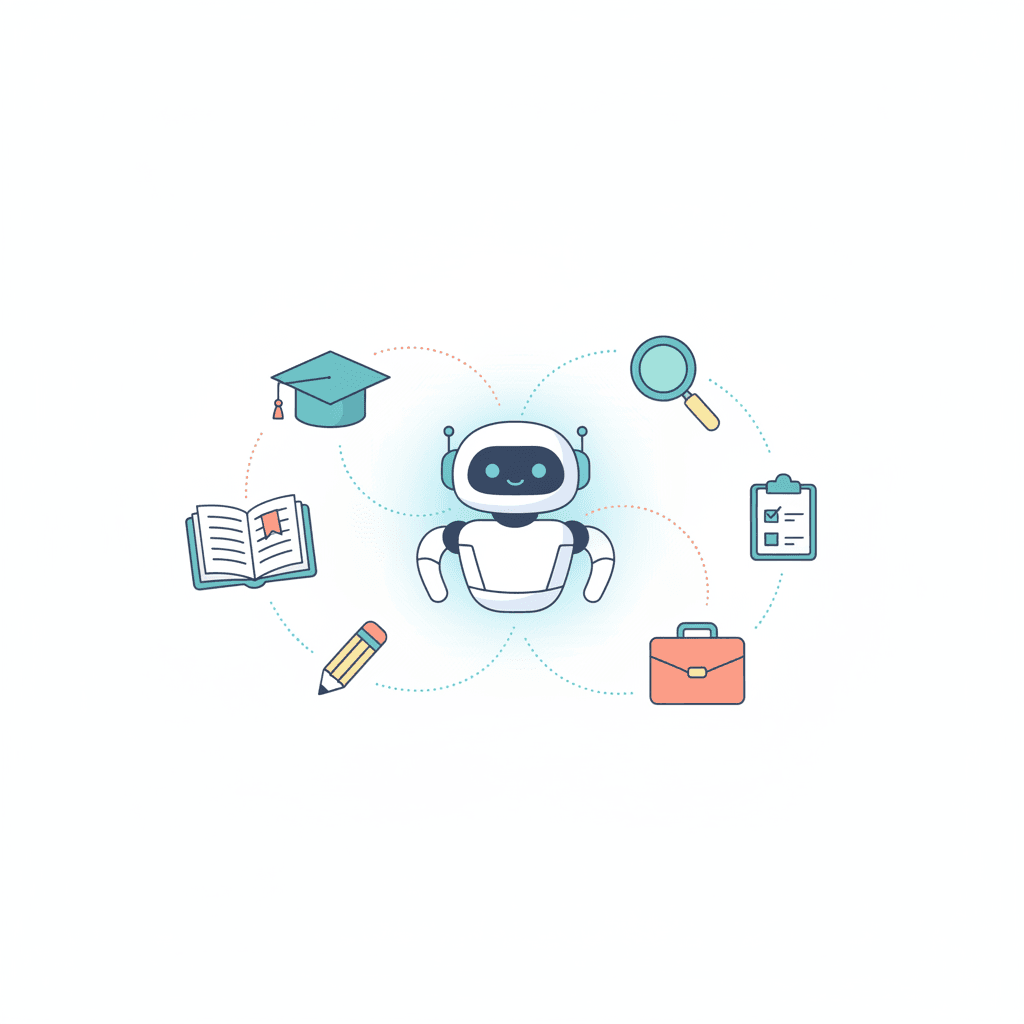
AI adoption in education and recruitment accelerates long-standing changes in learning and hiring. Because algorithms can personalise at scale, educators and recruiters now design workflows around data and empathy. As a result, traditional lectures and one-size-fits-all hiring funnels give way to adaptive learning paths and recruitment automation.
Education technology now includes generative lesson planning tools and personalised feedback engines. For example, universities embed generative AI in teacher training to simulate classroom scenarios. See the University of Manchester study for details: University of Manchester study. Meanwhile, AI in hiring uses conversational avatars and LLMs to answer candidate questions instantly.
Key practical shifts include:
- Personalised learning at scale. Systems analyse student data and adapt prompts and resources instantly.
- Smarter candidate screening. Automated tools surface best-fit applicants, saving time and bias-prone manual sorting.
- Continuous feedback loops. Teachers and recruiters get real-time insights to refine processes quickly.
- Hybrid human plus AI workflows. Humans make final judgements, while AI supplies data and suggestions.
Concrete examples make the change clear. The Royal Navy trials Atlas, a real-time avatar, to field recruit questions and improve candidate experience. Learn more about Atlas and its role in recruitment here: Atlas in recruitment. Similarly, education programmes in Europe run pilots that teach AI literacy and ethical use in classrooms.
However, this transformation brings governance challenges. UNESCO recommends human-centered frameworks and safeguards for generative AI. Their guidance helps institutions balance innovation with rights and equity: UNESCO guidance. Therefore, leaders must pair deployment with clear policies and oversight.
In short, AI adoption changes processes and expectations. It enhances speed and personalization, yet it demands new skills, governance, and thoughtful integration. Thus, organisations that adopt a test-and-learn mindset can scale benefits while managing risks.
Quick comparison: Benefits of AI adoption in education and recruitment
| Benefits | Education Impact | Recruitment Impact |
|---|---|---|
| Personalisation |
|
|
| Efficiency and automation |
|
|
| Insights and analytics |
|
|
| Candidate and student experience |
|
|
| Scalability and access |
|
|
| Governance and ethics |
|
|
How AI improves outcomes and efficiency
AI adoption in education and recruitment drives measurable gains in outcomes and efficiency. Because adaptive systems personalise instruction, students move through material at the right pace. As a result, teachers spend less time on grading and more on coaching.
Adaptive learning and better educational outcomes
Adaptive learning platforms adjust content to each learner. For example, the University of Manchester integrates generative AI into teacher training to simulate classroom scenarios and provide feedback. See here. These systems increase mastery and reduce remediation. Moreover, formative assessments give instant feedback, so students iterate faster.
Automated screening and smarter hiring
AI in hiring automates resume parsing and candidate matching. Recruiters use recruitment automation to focus on interviews and fit. For example, a previous text-based recruitment assistant handled over 460,000 queries from 165,000 users and reached 93% satisfaction. It also cut live-agent workload by 76%. Meanwhile, the Royal Navy trials Atlas, a real-time avatar, to field candidate questions and improve experience. Learn more here. Therefore, organisations accelerate time to hire and improve candidate engagement.
Analytics, continuous improvement, and cost savings
AI systems deliver real-time analytics for both sectors. Consequently, stakeholders spot gaps and optimise curricula or pipelines quickly. Predictive models flag students at risk and candidates likely to succeed. Additionally, automation reduces administrative costs and reallocates budgets to human-centred services.
Ethics, oversight, and sustained gains
However, gains require governance and human oversight. UNESCO recommends human-centred AI frameworks to guide deployment. See here. In short, organisations that combine AI with clear policy and training achieve better outcomes and lasting efficiency gains.
CONCLUSION
AI adoption in education and recruitment promises to transform how we teach, learn, and hire. It brings personalised learning, faster candidate matching, and smarter analytics that close skills gaps and surface talent more fairly. Because adaptive learning platforms and recruitment automation free humans from repetitive tasks, teachers and recruiters can focus on coaching, judgement, and inclusion.
However, ethical use and human oversight remain critical. Organisations must pair AI with governance, transparency, and training to ensure the technology augments people rather than replaces them. Examples like the Royal Navy’s Atlas avatar and university AI literacy pilots show that a test-and-learn approach yields user-friendly experiences and measurable gains.
AllosAI helps organisations capture this potential. As a leading AI automation platform, AllosAI supports intelligent content creation, workflow automation, and AI-powered customer engagement. Visit AllosAI to explore tools that help teams deploy AI responsibly and scale impact: AllosAI. Try the platform on the app: AllosAI App. Learn more from the AllosAI knowledge hub: AllosAI Knowledge Hub.
In short, the future of education and recruitment is human-led and AI-augmented. By combining robust governance with practical pilots and the right automation tools, leaders can unlock efficiency and improve outcomes across classrooms and hiring pipelines.
Frequently Asked Questions (FAQs)
What is AI adoption in education and recruitment?
AI adoption in education and recruitment means using AI tools to support teaching and hiring. It covers adaptive learning systems, generative lesson tools, and recruitment automation. These tools personalise content, speed up routine tasks, and surface actionable insights. Because humans stay in the loop, AI acts as augmentation rather than replacement.
How does AI improve learning and hiring outcomes?
AI improves outcomes in concrete ways:
- Adaptive learning
- Tailors lessons to each student and increases mastery.
- Universities now pilot generative AI in teacher training to simulate classrooms; see the University of Manchester example: University of Manchester.
- Automated candidate screening
- Parses resumes, ranks applicants, and reduces manual bias.
- For example, a text-based recruitment assistant handled over 460,000 queries and achieved 93% satisfaction, while cutting live-agent workload by 76%.
- Real-time analytics
- Flags students at risk and predicts candidate success.
- Therefore, teams intervene earlier and allocate resources better.
Will AI replace teachers or recruiters?
No. AI supplements human expertise. Humans still make final decisions and provide emotional support. However, organisations must train staff to use AI tools effectively. The focus should be on human oversight, ethical use, and blending skills with automation.
What are the main ethical and legal concerns?
Common concerns include bias, privacy, and transparency. Institutions must perform bias audits, secure consent, and keep audit trails. UNESCO offers human-centred guidance for generative AI in education and research: UNESCO Guidance. Likewise, clear governance and documentation reduce legal risk.
How should organisations start implementing AI?
Begin with small pilots and clear objectives. Steps include:
- Define outcomes and measures of success.
- Pilot adaptive learning or a recruitment chatbot with a single team.
- Train staff and document decision pathways.
- Monitor performance, user satisfaction, and fairness metrics.
- Scale gradually while maintaining human oversight.
For public-sector examples of AI in recruitment, see the Royal Navy’s Atlas avatar trials: Royal Navy’s Atlas Trials.
If you have more questions about practical implementation, pilots, or governance, these FAQs can guide early planning and next steps.