
AI Marketing Predictions 2026
AI marketing predictions 2026 show AI will run entire campaigns and reshape content strategies. Marketers face rapid change as agentic AI and hyperpersonalization scale across channels. This introduction sets the scene and explains why you should care.
Today, AI drafts copy and generates ideas, but by 2026 agents will coordinate cross-channel performance. As a result, brands must plan for multimodal content and smart repurposing to reach varied audiences. Expect more multimodal repurposing because teams will turn one idea into video, audio, and short-form text. Moreover, predictive analytics will make campaigns more personal and timely.
However, this shift demands stronger first-party data practices and privacy-first design because consumers expect control. Therefore, teams should upskill and adopt clear governance for AI agents. The 30% Rule suggests automating one-third of routine work to free human creativity. In this guide, we outline practical predictions and tactical steps to help you prepare. Read on for concrete tactics.
AI marketing predictions 2026: agentic AI will run campaigns
By 2026, AI marketing predictions 2026 point to agentic AI coordinating entire campaigns. As a result, teams will shift from drafting copy to supervising living campaigns. Over 64% of organizations already use AI, which supports faster adoption source. Moreover, 19.20% of marketers are leveraging AI agents for end-to-end automation. Expect these trends:
- Agentic AI coordinates channels and budgets, not just content.
- Hyperpersonalization scales via predictive analytics and zero-party data.
- Multimodal content becomes standard for SEO and GEO strategies.
- Repurposing tools turn one idea into video, audio, and short text, boosting efficiency. 35.08% of marketers repurpose content across channels.
AI marketing predictions 2026: privacy, measurement, and repurposing
However, this acceleration raises privacy and governance issues. Therefore, brands must adopt privacy-first data practices. For example, prioritize first-party data and clear consent flows. Because efficiency matters, follow the 30% Rule and automate one-third of routine work. Practical steps include:
- Invest in AI literacy and the HubSpot AI Agents Playbook for governance.
- Use predictive dashboards for real-time optimization.
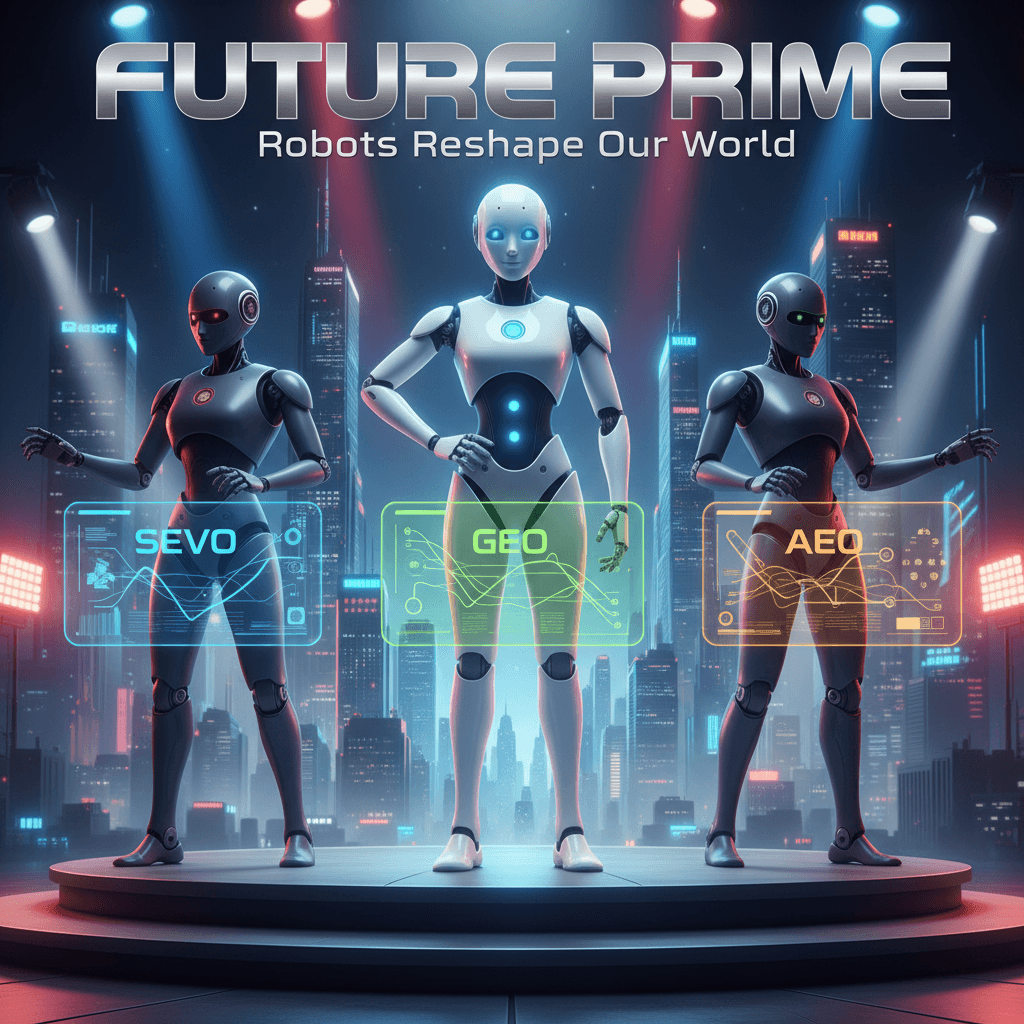
- Audit content structure for LLM readability and SEvO.
For more on practical AI automations and tool comparisons, see this guide on automation choices.
Challenges and solutions for AI marketing predictions 2026
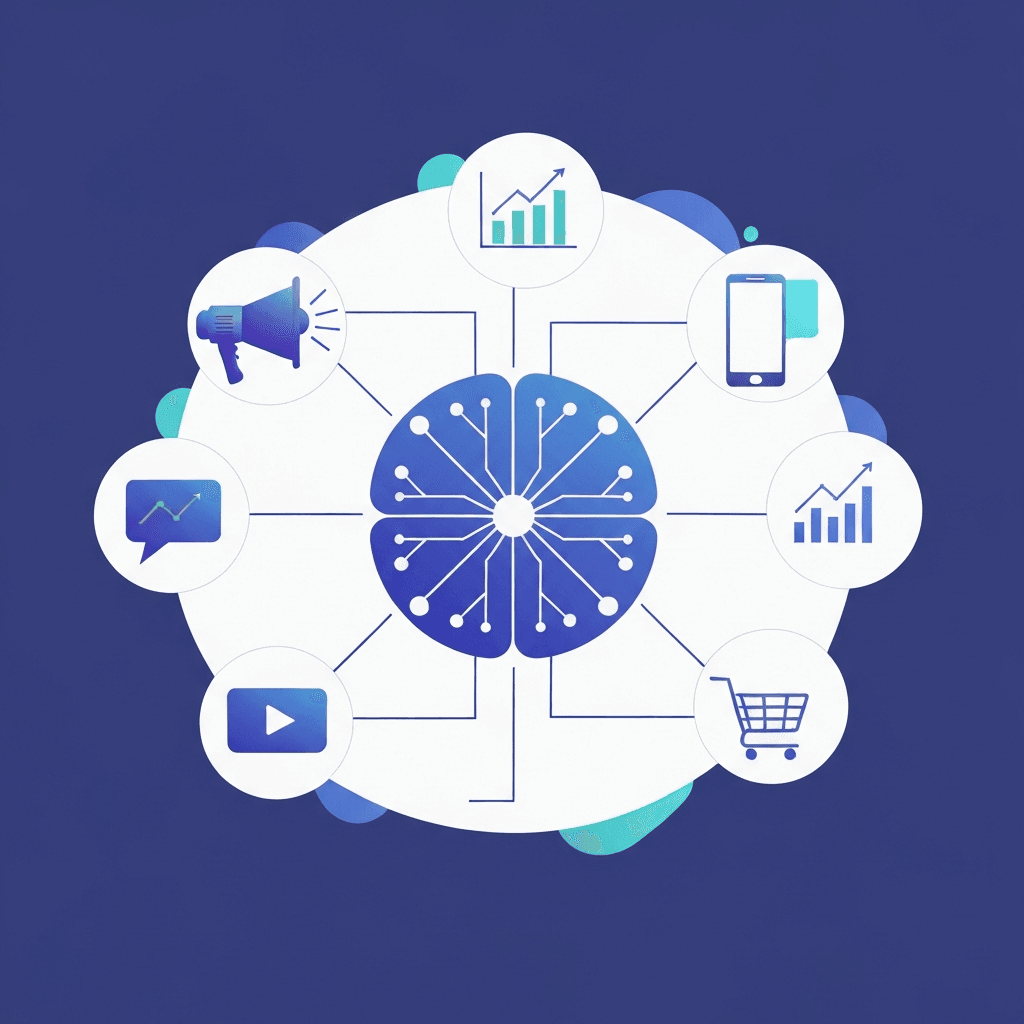
Adopting AI brings real challenges for marketing teams. Because 40.13% of marketers cite privacy concerns, data governance tops the list. Moreover, tool sprawl and integration gaps slow execution. Teams also face skills gaps as agentic AI moves from drafting to running campaigns.
Short practical solutions follow. These steps reduce risk and unlock value fast.
- Strengthen data governance and privacy first. For example, prioritize first-party and zero-party data. Also, implement clear consent flows and audits because trust matters. Reference the HubSpot State of Marketing for adoption context: HubSpot State of Marketing.
- Upskill teams and assign AI stewards. Therefore, run internal training and micro-certifications. Use playbooks like the HubSpot AI Agents Playbook to govern agents and decision rules.
- Limit tool sprawl with integration standards. As a result, adopt APIs, Model Context Protocol (MCP), and Agentic Commerce Protocol (ACP) where possible.
- Measure outcomes with predictive dashboards and A/B tests. Because metrics change, track both human and agent-driven actions.
- Start small and follow the 30% Rule. In short, automate one-third of routine tasks to free creative work. For hands-on content automation, try AI Writer.
| Tool | Key features | How it aligns with AI marketing predictions 2026 | Best for |
|---|---|---|---|
| HubSpot Breeze AI suite | AI agents, content generator, data agent, campaign orchestration | Supports agentic AI and living campaigns. Therefore it simplifies cross-channel coordination and governance. | Enterprise teams needing integrated agent-driven workflows |
| Google Analytics 4 AI Insights | Predictive metrics, anomaly detection, cohort analysis | Enables predictive analytics and real-time optimization for agent-run campaigns. As a result, measurement improves. | Measurement and attribution teams |
| ChatGPT (OpenAI) | Large language model, content drafting, prompt chaining, APIs | Scales multimodal copy and conversational UX. It supports SEvO and LLM-readable content. | Content ideation and conversational UX |
| Claude (Anthropic) | Safety-focused LLM, long-context handling, multi-turn reasoning | Better safety and governance for agent decisions. Therefore it fits regulated use cases. | Regulated industries and long-form workflows |
| Perplexity | AI search, research summaries, citation-aware answers | Accelerates market research and AEO. As a result, teams get fast, sourced insights. | Competitive research and rapid insights |
| AllosAI AI Writer | Content repurposing, templates, SEO-friendly outputs, multimodal exports | Designed for multimodal repurposing and SEvO. Moreover, it helps teams follow the 30% Rule. | Small teams needing fast repurposing and SEO |
| ActiveCampaign / Mailchimp | Email automation, personalization, basic AI automations | Early agent-style automations enable hyperpersonalization and lifecycle messaging. | Email-centric campaigns and automations |
AI marketing predictions 2026 point to agentic AI running whole campaigns, deeper hyperpersonalization, and broad multimodal repurposing. As a result, teams must adopt privacy-first data practices and stronger governance while upskilling marketers. Moreover, the 30% Rule helps teams automate routine tasks without losing creative capacity. However, measurement must evolve, so use predictive dashboards and A/B tests for validation.
AllosAI is a unified AI automation platform that enhances marketing and customer support automation without increasing headcount. It automates workflows, repurposes content at scale, and enforces governance to protect privacy and brand voice. Therefore, teams can scale campaigns faster and focus on strategy.
Learn from case studies. Also adopt integration protocols such as Model Context Protocol and Agentic Commerce Protocol for safe deployments. Start small, measure results, and scale agentic workflows when confident. Visit AllosAI for details, try the platform at AllosAI Platform, or read practical guides at AllosAI Blog. Get started today now.
Frequently Asked Questions
What are the top AI marketing predictions 2026 and why do they matter?
AI will run more autonomous campaigns by 2026. As a result, marketers will shift from drafting to supervising. Expect agentic AI, hyperpersonalization, and multimodal repurposing. These trends matter because they increase efficiency and relevance. However, they also require better governance and data practices.
Will AI replace marketing jobs by 2026?
AI will automate routine tasks, not all roles. For example, the 30% Rule recommends automating one-third of routine work. Therefore, jobs focused on repetitive work may decline. Meanwhile, strategy, creativity, and governance roles will grow. Upskilling is essential to stay relevant.
How should teams prepare for agentic AI and living campaigns?
Start with small pilots and clear goals. Also assign AI stewards to govern agents. Use predictive dashboards to measure impact. Finally, adopt integration standards like MCP and ACP where possible.
What are the main privacy and data concerns?
Forty percent of marketers cite data privacy worries. As a result, prioritize first-party and zero-party data. Also implement consent flows and regular audits. In short, design privacy-first systems to build customer trust.
Which tools and skills will matter most in 2026?
Focus on tools that enable orchestration, repurposing, and measurement. For example:
- AI agents and content platforms for cross-channel workflows
- Predictive analytics for timing and personalization
- LLM-friendly content structuring for SEvO
Also invest in AI literacy programs and playbooks. Because tools evolve fast, continuous learning will give teams the edge.