


AI engine optimization audit: Protect your brand in AI search
AI engine optimization audit helps businesses ensure accurate AI-driven answers. As AI search moves from web pages to entity answers, brands must act quickly. This introduction explains what an AEO audit examines and why it matters. Specifically, it checks entity signals, citations, structured data, and summary accuracy. Because AI engines like ChatGPT, Gemini, Perplexity, and Bing Copilot synthesize snippets, errors can erode trust. Therefore, a focused audit protects visibility and reduces the risk of incorrect brand facts.
You will learn practical steps, scoring models, and high-impact fixes in this article. However, human review remains essential even when AI tools draft updates. By the end, teams will know how to measure visibility, accuracy, depth, and citations. Moreover, the audit guides fixes across About pages, product descriptions, and public listings. It also recommends publishing schema markup and refreshing profiles on LinkedIn and G2. As a result, search visibility in AI answers improves and customer acquisition benefits. Read on for a step-by-step AEO audit checklist and templates to get started.
Key components and methodology for an AI engine optimization audit
An AI engine optimization audit verifies how engines understand and surface your brand. It focuses on entity signals, citation quality, and answer accuracy. As a result, teams can fix misstatements before they reach customers.
Core components include
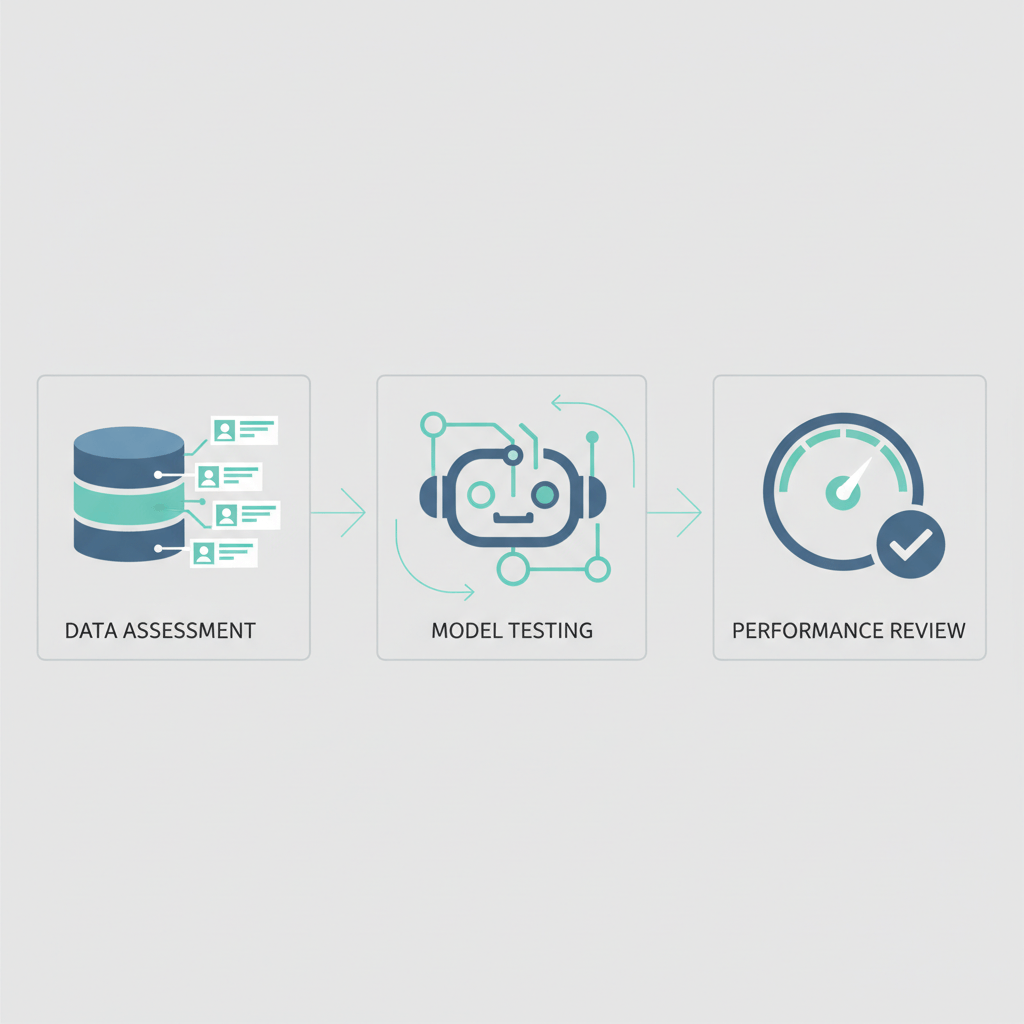
- Data evaluation: inventory public facts, product names, founders, dates, and persona signals. Check for inconsistencies across About pages and listings.
- Model performance: test outputs across ChatGPT, Gemini, Perplexity, and Bing Copilot. Record answer accuracy, depth, and response variability.
- System integration checks: verify schema markup, llms.txt access, and canonical tags. Confirm crawlable extractable chunks so AI tools can parse site data.
- Citation audit: tally citations, authority of sources, and external links that engines reference.
- Content structure: ensure clean H2 H3 formatting, lists, semantic triples, and internal linking for extractable snippets.
- Scoring model: build simple metrics for visibility, accuracy, depth, and citations. Use confidence markers to flag uncertain facts.
- Human validation: draft updates with AI, then manually verify every fact before publishing.
Methodology in practice
Start by running targeted prompts and recording screenshots and text outputs. Then categorize results as correct, outdated, incomplete, inaccurate, or missing. Next, prioritize high impact fixes and publish structured data and profile updates. For strategic context see this guide on AI buzzwords. Also learn how intent alignment protects brands at this article. Finally, tie fixes to discoverability goals like customer acquisition. See guidance at this resource and repeat audits quarterly.
Evidence and examples: impact of an AI engine optimization audit
Real-world signals show audits matter for brand trust and discoverability. HubSpot launched a free AEO Grader to help marketers measure AI visibility across models. The tool provides a baseline and recommendations so teams can prioritize fixes. For details see HubSpot AEO Grader.
Media and platform moves also support the need for audits. Le Monde’s partnership with Perplexity highlights how publishers and answer engines exchange signals and sources. As a result, authoritative citations matter more than ever. Read the announcement at Le Monde Partnership Announcement.
Microsoft’s updates to Copilot show that enterprise users expect reliable sources. TechRadar reported model choices and integrations that affect which answers appear to users. See the coverage at TechRadar Coverage.
Typical audit outcomes include:
- Faster correction of incorrect brand facts across AI engines after publishing structured data and citation updates. This reduces the chance AI will repeat errors.
- Clearer entity signals and consistent product naming across About pages and listings. This helps AI synthesize accurate summaries.
- Better alignment between high-intent content and AI answers. Teams often expand product coverage and add extractable snippets for better depth.
Example vignette:
- A product marketing team ran prompts across ChatGPT, Gemini, and Bing Copilot. They found outdated pricing and missing feature notes. After adding schema markup and updating LinkedIn and G2 listings, follow-up tests showed improved answer completeness and stronger citations.
These examples show audits link directly to business goals. They improve trust, lower misinformation risk, and support discoverability. Therefore, run audits regularly and validate changes manually to keep results reliable.
| Tool or method | Main features | Benefits | Ideal use cases |
|---|---|---|---|
| HubSpot AEO Grader | Quick visibility checks for AI engines. Provides recommendations and baseline scores. | Fast baseline, priority fixes, free option. | Teams starting AEO audits and monitoring progress. |
| Breeze AI Suite | AI-assisted briefs, content drafts, and QA workflows. Accelerates content updates. | Speeds draft creation; therefore reduces manual workload. | Content ops teams that scale audit fixes quickly. |
| Manual prompt testing (ChatGPT, Gemini, Perplexity, Bing Copilot) | Direct queries and screenshot capture across engines. Categorize outputs by accuracy. | Highest-fidelity insights because you see real engine outputs. | Validation tasks and complex fact-checking. |
| Schema and structured data testing (Rich Results Test) | Validates schema, entities, and product markup. Flags errors and warnings. | Helps AI parse site structure; therefore fixes often propagate faster. | Sites publishing frequent product or entity updates. |
| Agency or consulting AEO audit | Full audit, scoring model, and remediation plan. Includes human validation. | Deep expertise and prioritized roadmap. However costs more. | Enterprises with complex products or limited internal resources. |
CONCLUSION
An AI engine optimization audit is now essential for brands that rely on AI-driven discovery. It ensures entity accuracy, consistent citations, and clearer AI-generated answers. Therefore, audits reduce misinformation and protect customer trust across ChatGPT, Gemini, Perplexity, and Bing Copilot.
Regular audits also improve discoverability and support customer acquisition goals. As a result, teams can prioritize high-impact fixes and measure improvements with simple scoring models. However, human validation remains critical even when AI tools accelerate content updates.
AllosAI provides AI automation and chatbot solutions to help businesses optimize AI interactions and scale customer conversations. The platform supports content briefs, chatbot workflows, and fast iteration for knowledge updates. Visit AllosAI to learn more here. Try the app at this link or explore the knowledge hub at the blog. Follow AllosAI on X for product updates and guides here.
Finally, align audits with product releases and repeat them quarterly. This practice preserves brand visibility, keeps AI answers accurate, and maintains your competitive advantage.
Frequently Asked Questions (FAQs)
What is an AI engine optimization audit?
An AI engine optimization audit checks how AI search engines understand your brand. It reviews entity facts, citations, structured data, and answer accuracy. Because AI synthesizes snippets, audits reduce misinformation risk.
How often should I run an AEO audit?
Run audits quarterly and after major product or messaging changes. This cadence keeps facts current. Also, rerun tests after public listing updates.
Who should own the audit?
Marketing should lead the audit. However, involve product, engineering, and legal for accuracy. Human validators must confirm any AI-drafted updates.
Which tools or methods help most?
Use a mix of automated graders, manual prompt testing, and schema validators. For speed, combine AI-assisted brief tools with human QA. This blend balances scale and accuracy.
Will AEO audits impact traditional SEO?
AEO audits differ from SEO but complement it. Structured data and consistent entity signals help both AI answers and search visibility. Therefore, audits support broader discoverability goals.