

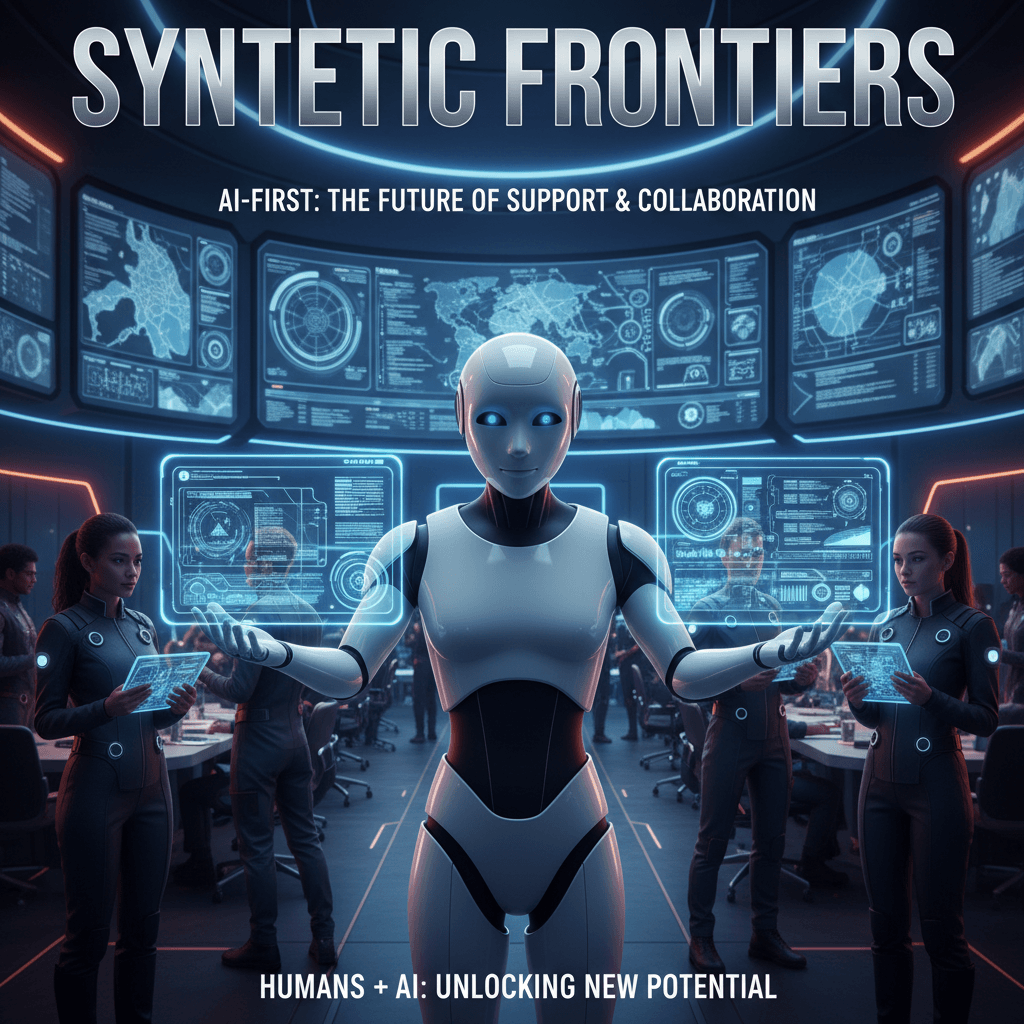
AI evolving support careers
AI evolving support careers is reshaping how teams work and how people grow. Today, AI support tools automate routine tickets, freeing agents to focus on complex issues. As a result, support careers shift toward strategy, coaching, and AI oversight roles.
In practice, conversation designers and knowledge managers now shape AI behavior and outcomes. Moreover, human-in-the-loop workflows keep empathy and judgment at the center of service. Teams also need new skills because they now train systems and measure AI performance. Therefore, career paths expand beyond tickets into product thinking and customer success strategy.
This change improves resolution rates, boosts agent satisfaction, and creates leadership opportunities. However, companies must provide training, clear role definitions, and inclusive change plans. We will explore practical steps, real role examples, and hiring tips in this article. Alongside automation, teams can scale self-serve content and proactive outreach with AI assistance.
Ultimately, organizations that embrace AI-first roles unlock faster growth and richer careers. Read on to learn how to lead this transition with people-centered design.
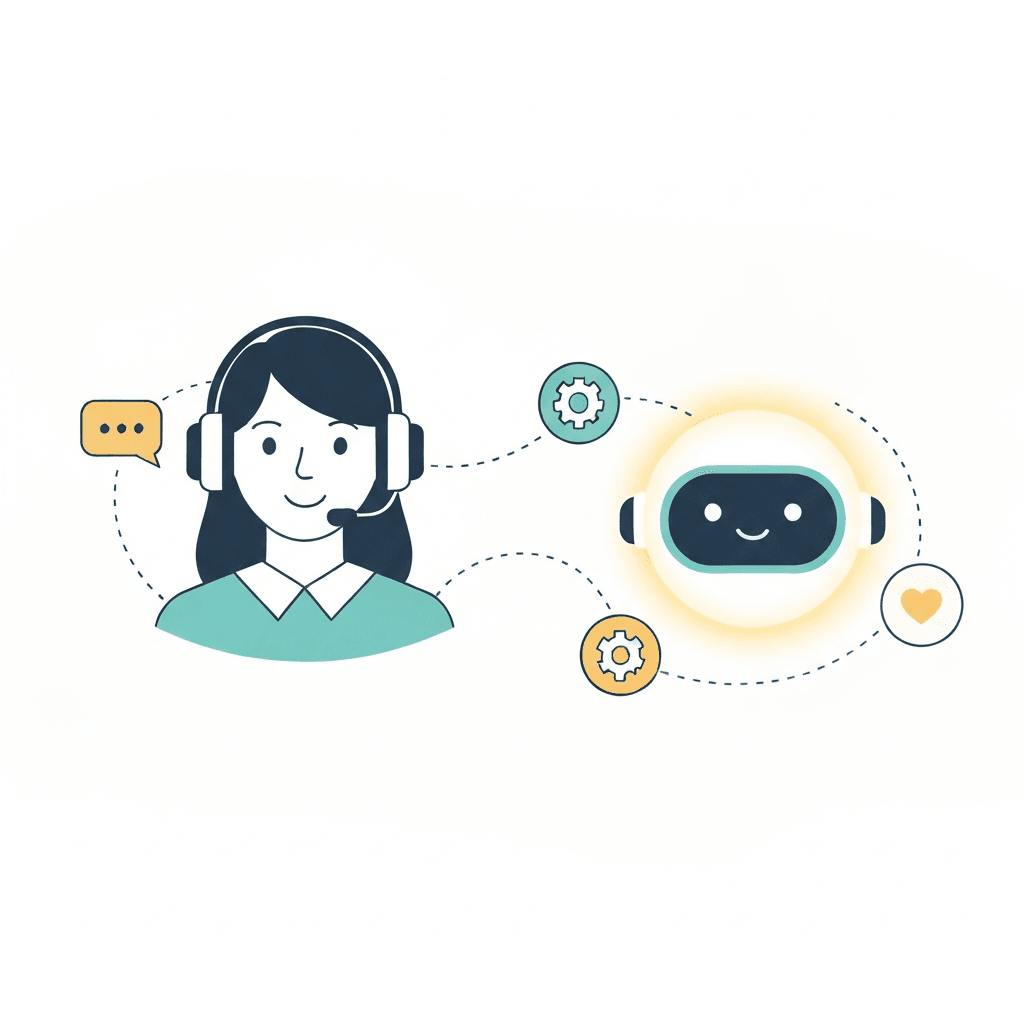
AI evolving support careers: roles, tasks, and skills
AI evolving support careers is changing what teams do and who they become. As a result, companies move routine work to AI. Therefore, human agents focus on higher value problems and supervision. This shift creates new career ladders and fresh job titles. Moreover, it keeps empathy and judgment at the center of customer service.
Key ways roles and tasks are changing
- New AI-first roles appear, such as conversation designers, AI operations leads, and knowledge managers. These roles shape AI behavior and content. For example, conversation designers map user journeys and tone.
- Many teams update job descriptions to include AI responsibilities. In fact, 45 percent of teams report making those changes in the Intercom study. See the full report at Intercom Customer Transformation Report for details.
- Human agents now train and fine-tune AI systems. Consequently, 40 percent of teams say agents spend more time training systems. For more context, read the Intercom blog at Intercom AI Evolution Blog.
- Complex escalations and edge cases remain human work. Approximately 27 percent of teams report humans handle the hardest issues. As a result, agents move into consultative and strategic work.
- AI support platforms become part of daily workflows. For example, AI Support Agent tools like AllosAI help teams scale responses and free staff for coaching.
Skills, training, and career growth
Support professionals now need data literacy, prompt thinking, and content design skills. Additionally, soft skills such as coaching and escalation judgment grow in importance. Intercom found about 83 percent of teams shifted toward strategic and supervisory roles. As Eric Broulette advises, “Do not wait to embrace AI. It will unlock more career growth for your teams than you can imagine.” Therefore, invest in training, clear role definitions, and transparent change plans.
In short, AI evolving support careers does not remove people. Instead, it redefines their work, expands their impact, and opens new paths for growth.
| Aspect | Traditional support careers | AI driven support careers |
|---|---|---|
| Responsibilities | Field inbound tickets and resolve common issues. Escalate complex cases. | Oversee AI triage and handle escalations. Train and audit AI outputs. Focus on consultative work. |
| Skills needed | Product knowledge, typing speed, problem solving, empathy. | Data literacy, prompt engineering, content design, AI performance monitoring, coaching. |
| Tools used | Ticketing systems, knowledge base, live chat. | AI Support Agents, conversational AI platforms, analytics, AI tuning tools. Example: AI Support Agent |
| Typical tasks | Resolve tickets, follow scripts, update knowledge base. | Design prompts, curate content, supervise AI, improve self serve content. |
| Career outlook | Steady progression to senior agent and team lead. | New roles like conversation designer, AI knowledge manager, and AI operations lead. Rapid growth and strategic paths. |
| Job titles | Support agent, senior agent, team lead. | Conversation designer, AI knowledge manager, AI operations lead, VP of Support and Education. |
| Training focus | Product training and soft skills. | AI training, data skills, ethics, model oversight. Moreover, invest in ongoing learning. |
| Performance metrics | Average handle time, resolution rate, customer satisfaction. | AI accuracy, escalation quality, agent coaching impact, strategic outcomes. |
| Collaboration | Work with product and operations through tickets and handoffs. | Co design AI with engineers, product, and knowledge teams. Therefore teams shape AI together. |
This comparison shows AI evolving support careers across responsibilities, skills, and career outlook. Therefore, teams that embrace AI gain strategic impact and growth.
AI evolving support careers: benefits and challenges
AI evolving support careers reshapes daily work and career paths. Teams gain efficiency and new roles as AI handles routine tasks. Yet the change brings clear challenges around skills and governance.
Benefits
- Reduced routine volume and faster resolutions because AI handles repetitive tickets. As a result, 16 percent of teams at early deployment report less time on volume and 28 percent report less time at maturity. Source
- New strategic roles appear, like conversation designer, AI knowledge manager, and AI operations lead. Moreover, 83 percent of teams report roles became more strategic.
- Higher job satisfaction as agents shift to coaching, product thinking, and consultative work.
- Better scalability and proactive outreach when teams combine AI with self-serve content and analytics.
Challenges
- Skill gaps require training in data literacy, prompt engineering, and model oversight. Therefore companies must invest in learning programs.
- Trust and governance issues appear because AI can produce incorrect outputs. Consequently, human review remains essential.
- Role ambiguity and change resistance can hurt morale. As Eric Broulette said, “Do not wait to embrace AI. It will unlock more career growth for your teams than you can imagine.” See full findings
- Performance metrics need updating to measure AI accuracy, coaching impact, and strategic outcomes.
In short, AI evolving support careers brings major benefits. However, teams must plan for skills, governance, and transparent change management.
Conclusion
AI evolving support careers has moved from theory to everyday practice. Teams now use AI to remove repetitive tasks. As a result, human agents focus on coaching, complex escalations, and strategy. Therefore, efficiency improves and career paths diversify.
The benefits are clear. AI boosts resolution speed and scales self serve content. Moreover, agents gain higher value work and new job titles. However, teams must invest in training, governance, and clear role design. Without these adjustments, trust and performance can suffer.
AllosAI plays a practical role in this transition. AllosAI acts as a unified AI automation platform. It helps social media teams and first line support deliver more without adding headcount. Explore the platform for AI Support Agent workflows and automation. Visit the website AllosAI Website, try the app AllosAI App, or read guides at the blog AllosAI Blog to see examples and next steps.
If you lead a support team, start by mapping routine work and identifying AI pilots. Then build training programs and update job descriptions. Finally, involve agents in designing AI behaviors to ensure empathy and quality. Take action today to unlock the full potential of AI evolving support careers and create richer, more strategic opportunities for your team.
Frequently Asked Questions (FAQs)
What does “AI evolving support careers” mean?
AI evolving support careers describes how AI shifts support work from ticket handling to strategic, supervisory tasks. In short, automation handles routine questions. As a result, humans focus on complex escalations, coaching, and designing AI behavior.
Will AI replace support agents?
No. Intercom research shows AI changes workflows rather than removes teams. Approximately 95 percent of participants reported meaningful workflow changes, and 27 percent said humans handle the hardest escalations. Therefore AI augments agents and preserves human judgment. Source.
What skills should support professionals learn?
– Data literacy and basic analytics
– Prompt engineering and content design
– AI performance monitoring and model oversight
– Coaching, escalation judgement, and consultative skills
These related keywords include conversation designer, knowledge manager, and AI operations lead.
How will teams measure success after adopting AI?
Measure AI accuracy, escalation quality, and customer satisfaction. Moreover track coaching impact and strategic outcomes. Update KPIs from average handle time to include AI performance metrics.
How can my team start adopting AI?
Start with a small pilot and map routine work. Then train agents to supervise and tune AI. Finally, explore platforms like AllosAI to automate first line support without increasing headcount.


