
MIT Technology Review most popular stories of 2025: What they reveal for innovators
MIT Technology Review most popular stories of 2025 map a year of urgent breakthroughs and unexpected debates. For tech enthusiasts and innovators, they offer inspiration and warning because trends here move quickly into labs and markets. Readers learned which tools scale, which risks matter, and what questions to ask next.
Among them, plain numbers hid big impacts. For example, reporters analyzed AI’s energy use down to a single query, revealing supply chain and grid challenges. Moreover, pieces on biology, drones, and long acting medicines pushed ethical debates into public view. These stories changed conversations in boardrooms and classrooms alike.
Therefore this roundup matters. Read on to see which narratives shaped tech in 2025 and why they should shape your thinking today. Whether you work on AI, biotech, or policy, these insights matter for strategy and ethics.

Top picks: MIT Technology Review most popular stories of 2025
Here are the most influential technology trends and innovation highlights that shaped conversations in 2025. Each story drew readers because it mixed deep reporting with clear implications for builders and policy makers.
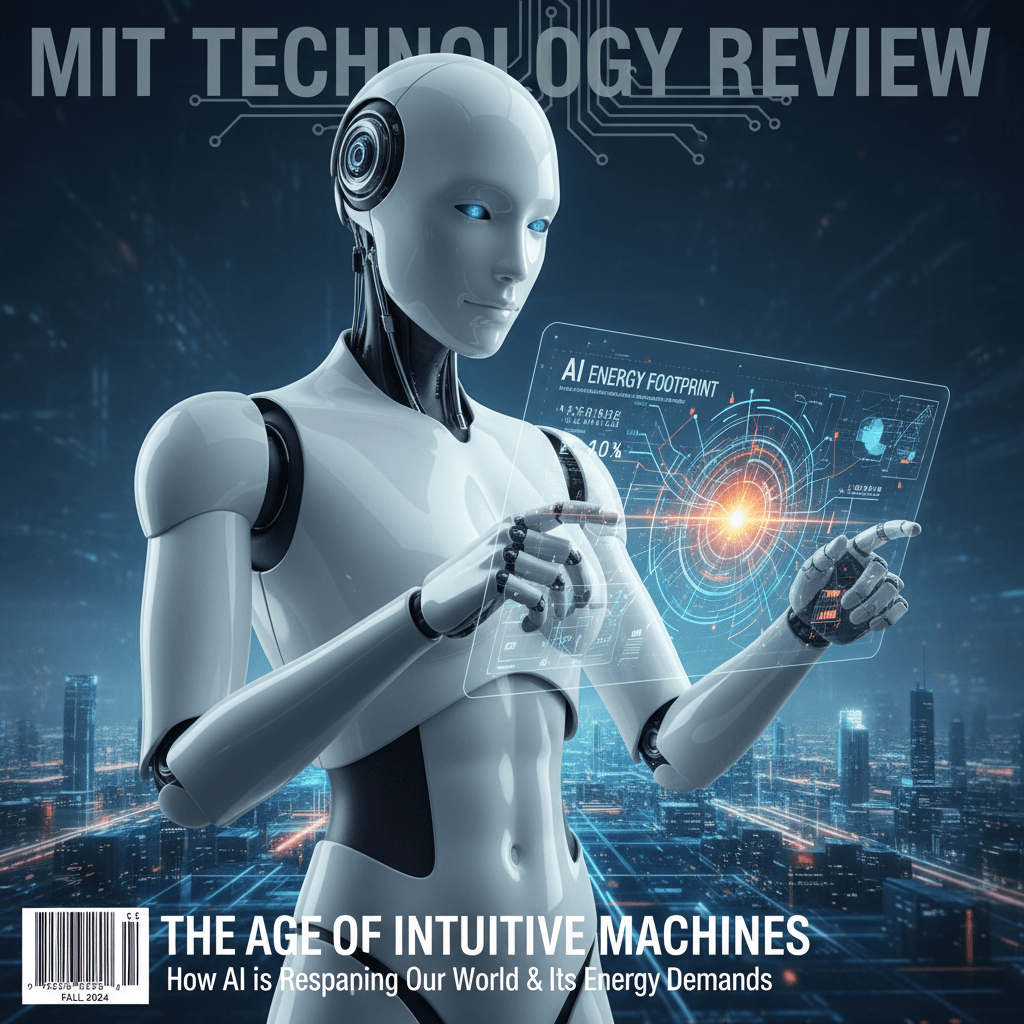
- AI energy footprint analysis by James O’Donnell and Casey Crownhart
- Reporters measured resource demand down to a single query. As a result, readers saw how models affect electricity use and supply chains. This piece pushed companies to rethink efficiency.
- The bodyoids debate and bioethics reporting
- A Stanford op ed on creating living bodies without awareness forced urgent ethical questions. Moreover, it expanded the biotech conversation beyond labs and into law and culture.
- The oldest baby and frozen embryo stories
- The birth of Thaddeus Daniel Pierce from a 1994 embryo raised social and legal questions about embryo storage and donation. Therefore the story connected IVF practice to long term ethics.
- Rounding up breakthrough technologies
- The annual 10 Breakthrough Technologies list continued to guide investors and researchers. For background see MIT Technology Review.
- Mystery drones and security concerns
- Coverage of drones entering military airspace made readers worry about weak defenses. Consequently the story spurred policy debate.
- Health and access stories such as long acting HIV prevention and vitamin D reporting
- These pieces mixed science with public health implications, and they reached broad audiences.
For more on AI hype and signals to question, see this primer here. For event context from MIT Technology Review see here.
These future tech stories mattered because they paired data with clear stakes for innovation, policy and society.
| Story Title | Category | Impact Level | Why It Matters |
|---|---|---|---|
| AI Energy Footprint Analysis | Technology | High | Challenges AI models’ efficiency and provokes reevaluation of energy use. |
| The Bodyoids Debate and Bioethics Reporting | Bioethics | High | Spurs ethical discussions on biotech advancements and potential regulations. |
| The Oldest Baby and Frozen Embryo Stories | Biotech | Medium | Raises questions about embryo storage and long-term implications of IVF. |
| Rounding Up Breakthrough Technologies | Innovation | High | Highlights tech advancements steering future investments and research. |
| Mystery Drones and Security Concerns | Security | Medium | Illuminates vulnerabilities in airspace security, urging policy development. |
| Long-acting HIV Prevention and Vitamin D Reporting | Health | Medium | Merges scientific advances with public health, impacting wider audiences. |
Broader impact of MIT Technology Review most popular stories of 2025
The year’s top pieces shifted technology trends and pushed new conversations across sectors. For example, clear reporting on AI’s energy footprint forced companies to measure and reduce compute waste. As a result, engineering teams began prioritizing efficiency over raw scale.
Policy discussions also changed. Coverage of drones, bioethics, and embryo stories raised regulatory questions, and lawmakers paid attention. Moreover, these reports influenced hearings and white papers, which moved ideas from op eds into formal debate.
Market trends reacted quickly. Venture capital and corporate R and D redirected funds toward cleaner AI, safer biotech practices, and health innovations. Consequently, investors favored startups that showed measurable social and environmental benefit.
Society felt the impact too. Public awareness of issues such as long acting HIV prevention and vitamin D access widened. Therefore community groups and health organizations adjusted outreach and funding priorities.
In short, these future tech stories did more than inform. They nudged innovation trajectories, altered policy discussions, and reshaped markets. For readers who build or regulate technology, the lesson is clear. Follow the data, because evidence changes decisions fast. For context and source reporting, see MIT Technology Review at MIT Technology Review.
Conclusion
MIT Technology Review’s most popular stories of 2025 distilled a year of high stakes and clear trade-offs. They revealed where technology drives progress and where it creates new risks. For example, reporting on AI’s energy footprint forced engineers to rethink efficiency. Similarly, bioethics and embryo stories moved public debate and policy.
These pieces influenced business strategy, investment flows, and regulation. Venture teams and R&D groups shifted budgets toward cleaner AI and safer biotech. Meanwhile, policymakers opened hearings and drafted guidance. As a result, innovation trajectories became more cautious and more measured.
If you build or lead teams, take this lesson: evidence changes decisions fast. Therefore read deeply, test assumptions, and design for social impact. For help scaling communication and engagement while you act on these insights, consider AllosAI. AllosAI is a unified AI automation platform that helps businesses and creators manage communication and engagement at scale. Explore the platform at AllosAI Platform.
Frequently Asked Questions (FAQs)
What made these stories the most popular?
MIT Technology Review most popular stories of 2025 combined deep reporting with clear consequences. They covered AI’s energy footprint, bioethics, drones, health, and breakthroughs. Because they linked data to everyday impact, they sparked wide discussion.
How did AI reporting influence industry?
The AI energy footprint analysis showed compute costs and grid strain. As a result, engineers and leaders prioritized efficiency and sustainable design.
Did these stories affect policy?
Yes. Coverage of drones and bioethics prompted hearings and advisory reports. Therefore lawmakers and regulators paid closer attention.
How should creators use these insights?
Use evidence to guide design, investment, and outreach. Moreover, test assumptions early and measure social and environmental effects.
Where can I read more?
Start with MIT Technology Review for original reporting. For practical guidance on scaling communication, explore AllosAI’s platform at AllosAI’s platform. They reached broad audiences worldwide. Coverage often included data, interviews, and visual analysis that clarified complex issues. Subscribe or follow their newsroom for updates and deep dives. These FAQs highlight why these stories still guide tech decision making today. Read widely and act responsibly now.